

The Setup: Night, Location, and Context
The clip opens with what sounds like a straightforward welfare request: a mother calls police to help retrieve her 13-year-old son. Within seconds, the officers do two essential things—ask whether she called and ask why they’re there—before stepping deeper inside. That small insistence on context is the through-line of the entire video. The mother wants them to follow immediately; the officers want clarity first.
Inside, the mother’s account is emotional and fragmented. She stresses that she’s a single parent “doing this on [her] own,” without public assistance, and that parenting requires her to be both “cool” and “authority.” The officers keep redirecting to facts: where is your son, who is he with, and which apartment is he in?
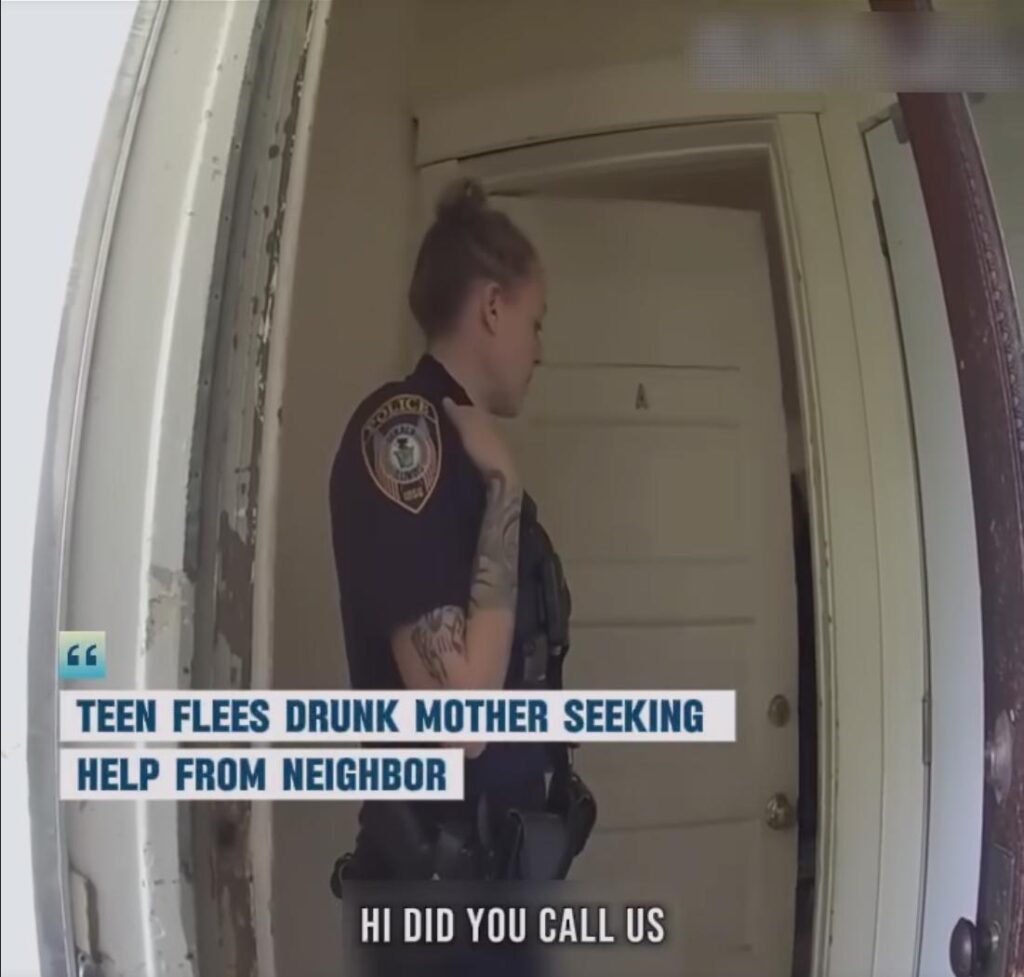
The Tests: Calm Instructions, Shaky Cooperation
There are no field sobriety maneuvers here, but the procedural “tests” are just as telling: Provide context. Identify locations. Follow simple commands. Repeatedly, the subject pushes the officers to move rooms and “come on.” Repeatedly, the officers say not until they understand the situation and where they are going.
When the mother identifies apartment B as the child’s location, you can feel the officers’ plan crystallize: verify the unit, contact occupants, and ensure the child’s immediate safety. The first stress spike hits a moment later when knocking at the door leads to shouting through the peephole.
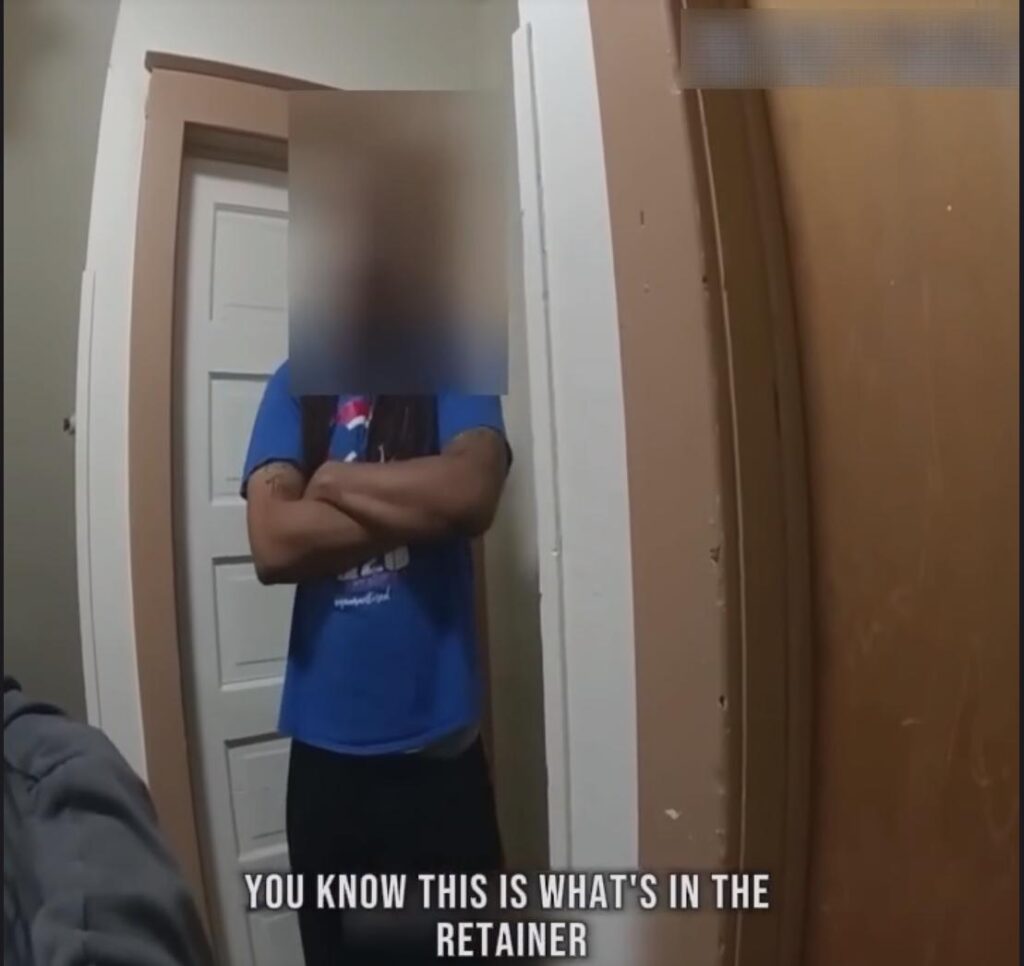
Detention & Transport: “You’re Being Detained for Trespassing”
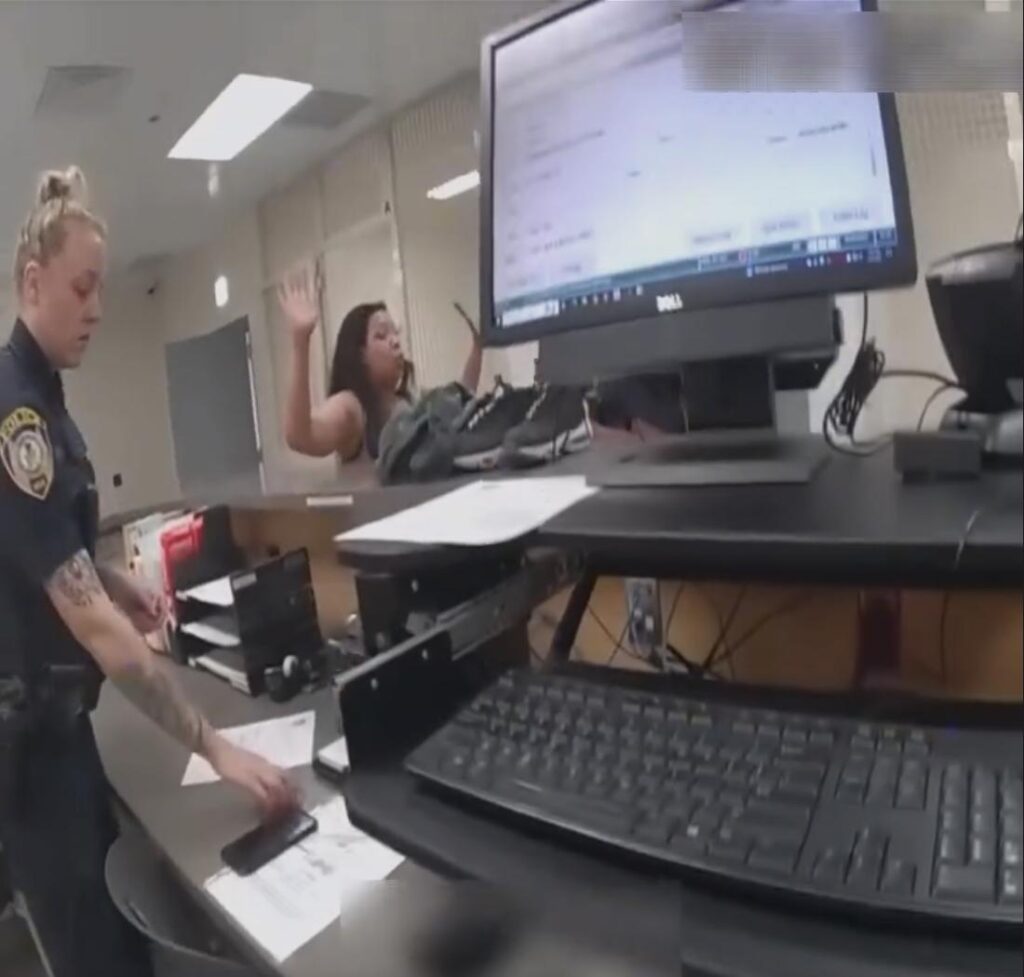
After the hallway exchange turns combative, officers state that the mother is detained for trespassing—not for being in the building, but for entering or attempting to enter someone else’s unit. That distinction becomes a point of argument for the next several minutes; the mother insists “it’s my building,” and officers reply that trespass applies to where someone else lives.
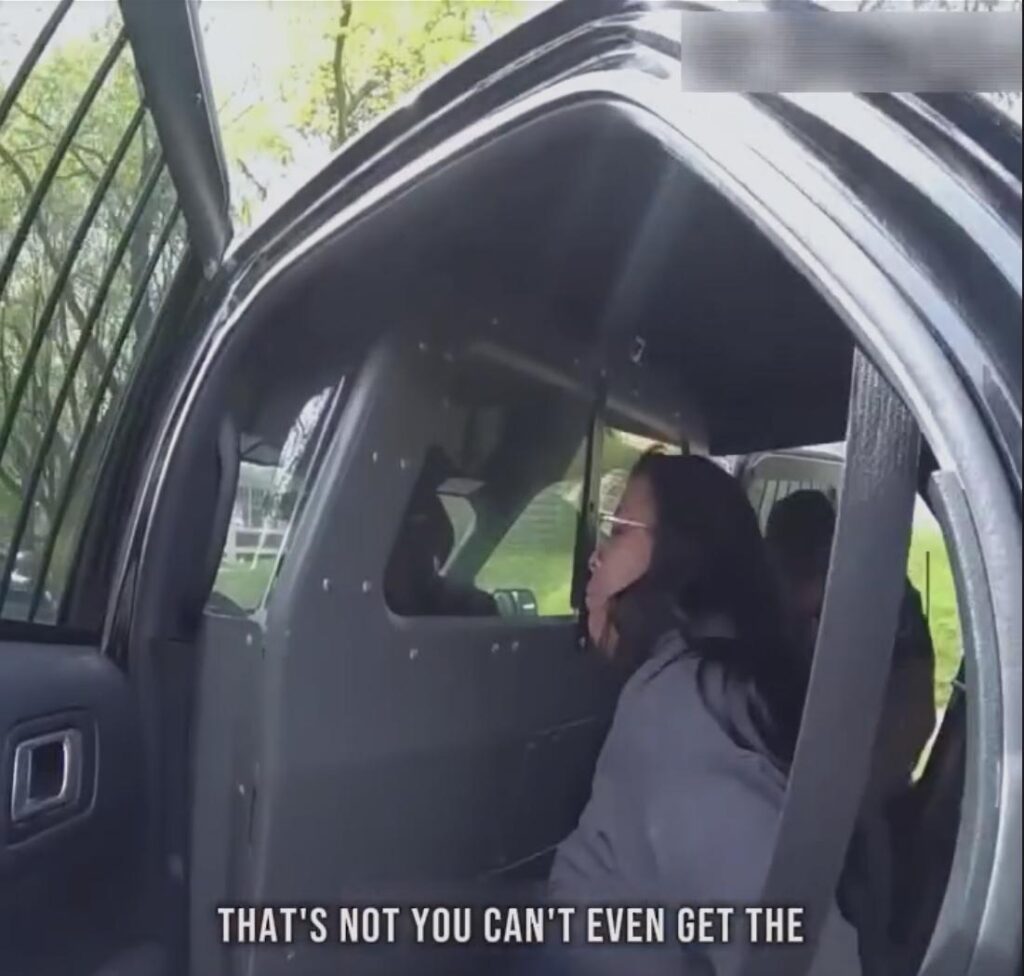
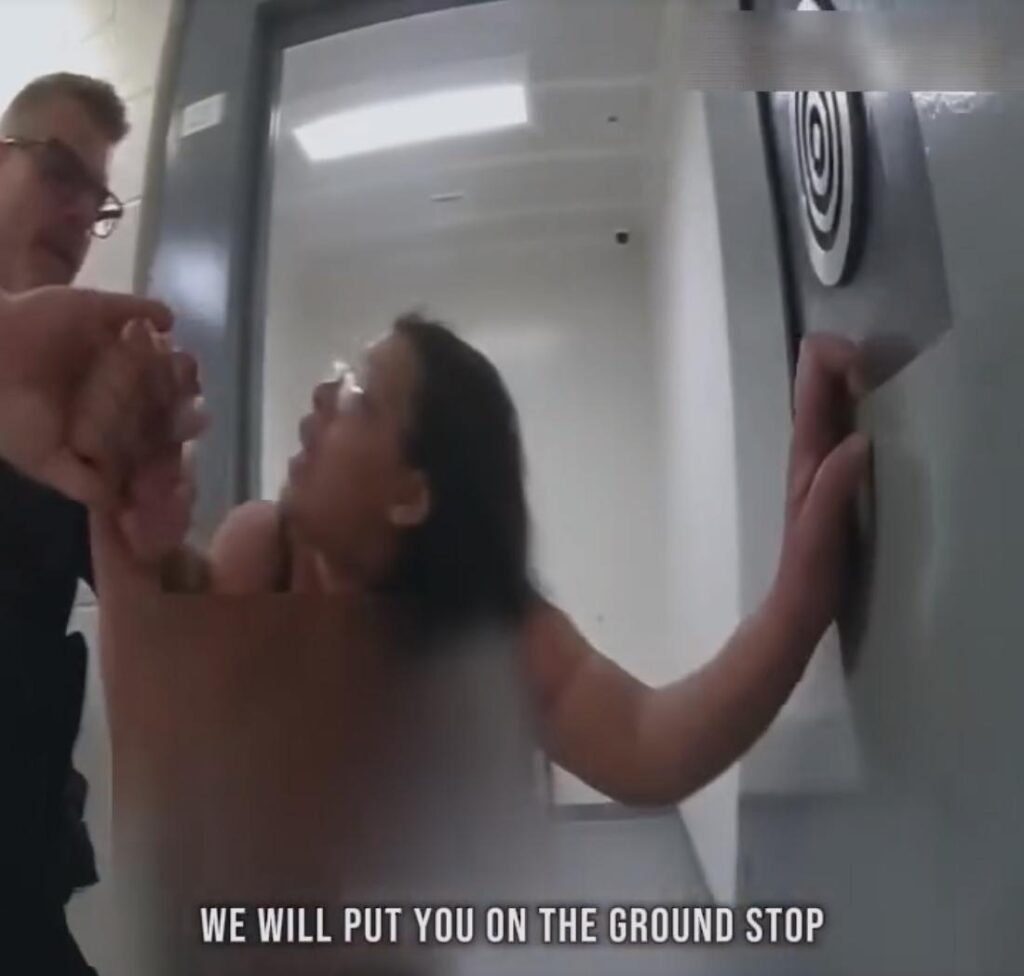
As they begin escorting her downstairs, the familiar custody choreography appears: clear commands, calm tones, and frequent reminders that bodycams are recording (which both sides acknowledge). The subject resists verbally, then physically—refusing to stand, claiming a broken tooth and feet, and hearing the “last chance to stand” warning alongside “don’t kick us.” The clip never feels gleeful or punitive; it feels like professionals using a standard playbook, one line at a time.
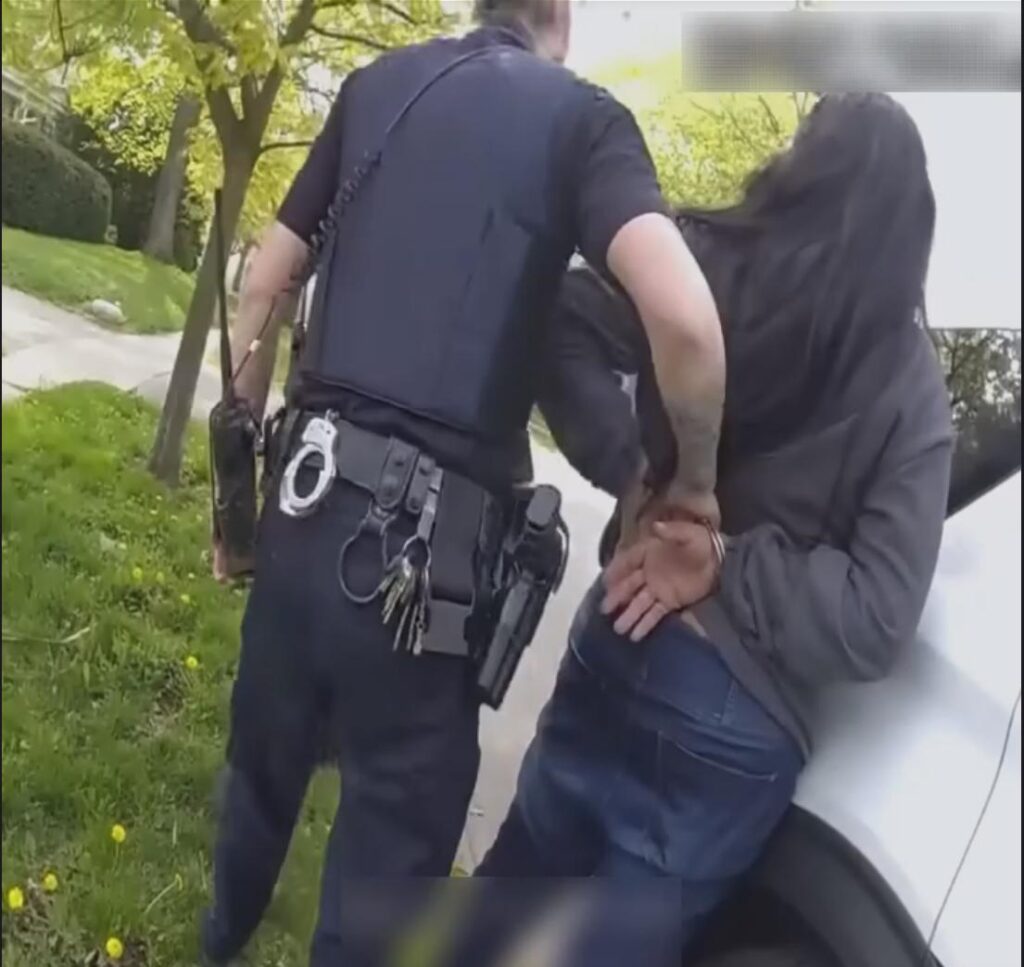
The Interview: Neighbors and a 13-Year-Old Fill the Gaps
Away from the stairwell, the camera finds the neighbors who have the child. Their story explains a lot of the chaos: they describe the mother as intoxicated, say she tried to strike him, and note that they brought him into their apartment to protect him. It’s not a courtroom—just ordinary people recounting what they saw and did.
The officers also speak with the 13-year-old. He says his mom was drunk, that an argument from the prior day bled into today, and that she struck him in the face when he opened the door. He adds that a neighbor helped him and brought him upstairs. There’s no pressure in the questioning—just short prompts and room for a kid to talk.
The Reveal: Not a Custody Pickup—A Boundary Problem
The dramatic pivot in this clip isn’t a smoking gun; it’s a boundary. What began as “help me get my son” becomes a series of lines the mother isn’t permitted to cross—another person’s front door, a neighbor’s peace, the officers’ space in the stairwell, the bench in a processing area. Each time, the officers restate limits and consequences. The child’s safety is the through-line; the mother’s refusal to accept limits is the engine of escalation.
The Charges & Case Postscript
Late in the clip, when she asks “What are my charges?”, an officer replies: trespassing and resisting a police officer. After a reported physical contact, another officer says they’re calling for a felony review. The closing slate (based on the materials provided) states the woman was charged with resisting arrest, trespassing, and assaulting a peace officer. There’s no disposition here—no conviction, no sentencing information—so this review stops where the video and provided note stop.
Why This Clip Matters
1) How custody calls morph. Many patrol officers will tell you: calls about kids frequently become calls about boundaries. Who has the right to enter what space? What’s the safest way to separate parties? This footage shows that shift in real time.
2) Procedure is the safety net. The calm cadence—announce detention, explain the specific law, warn about kicking, restate options—isn’t bureaucracy; it’s a ladder down from a bad place. You can hear how often the officers try to get voluntary compliance before moving to force.
3) Community fills the picture. The most important facts come from neighbors and the child: intoxication, attempted strike, protection, and temporary shelter. Bodycam alone can’t show intent; corroborating voices supply context.
4) Kids are watching. The child’s account is steady and simple. Whatever adults are arguing, a 13-year-old still has to go to school tomorrow. Scenes like this leave marks; how officers and neighbors handle them matters.
Verdict: Watch It—Then Remember the Lines You Can’t Cross
This isn’t a clip for highlight reels. It’s the unspectacular reality of patrol work: managing a family crisis, keeping a kid safe, and explaining trespass inside a multi-unit building while emotions run hot. If you came for fireworks, you’ll find repetition instead—commands said a dozen different ways because that’s what de-escalation often takes.
The lesson is plain: “It’s my building” doesn’t grant access to someone else’s door. And when you’re the one asking for help, the fastest way to get it is still the oldest—tell the truth, answer the questions, and let the people you called actually do their jobs.