
The Setup: Night, Location, and Context
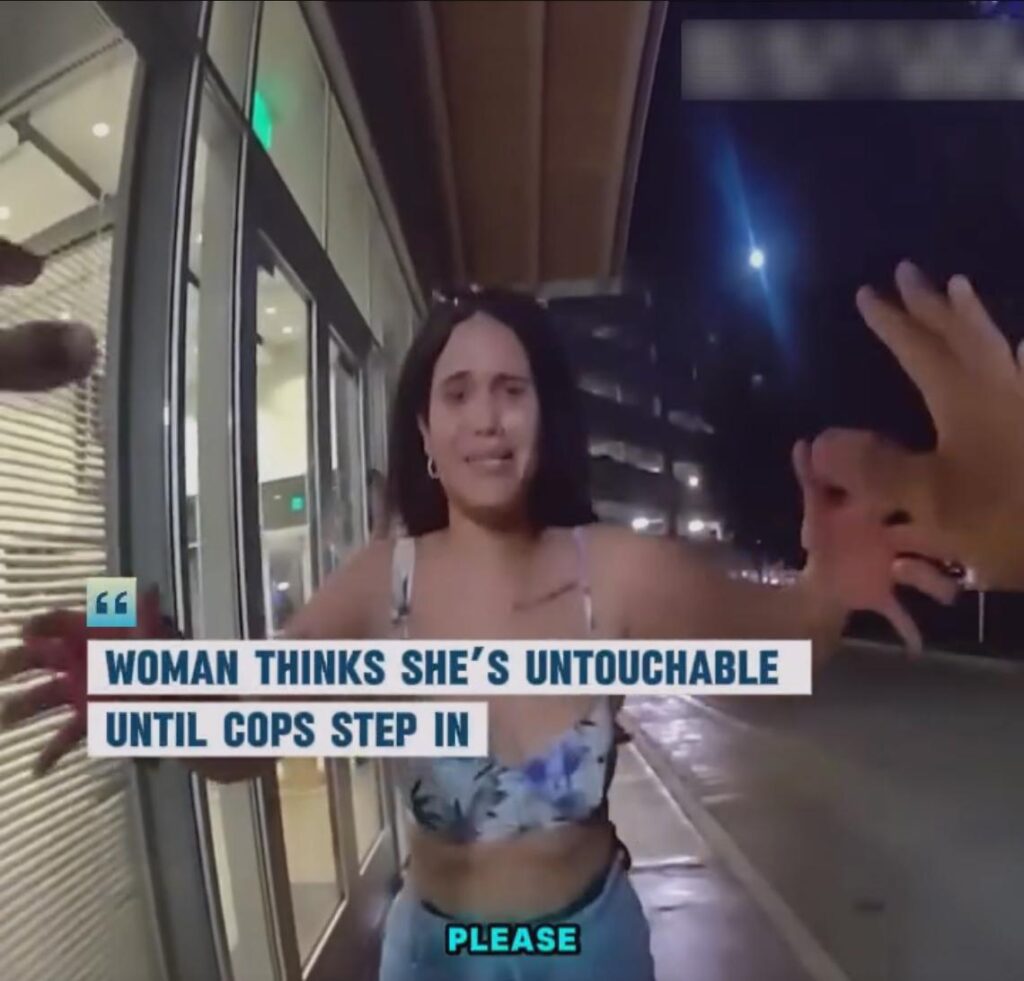
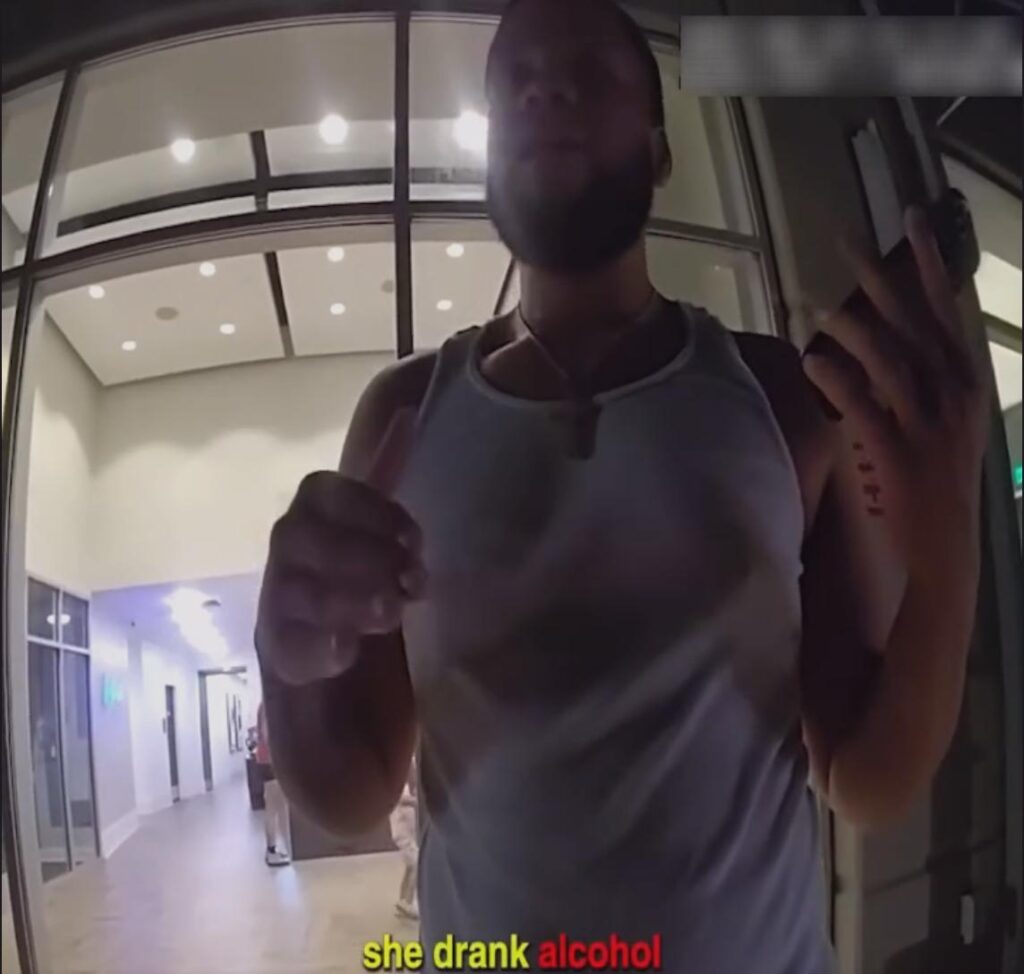
The bodycam opens mid-argument. An officer asks the simplest question—“What’s going on?”—and gets anything but a simple answer. The woman says the man is trying to look like a “good guy.” He says she drank alcohol despite warnings and is now acting out. Both talk fast, and both want the last word. The officer’s job, at least for the moment, is to slow the scene and establish a timeline.
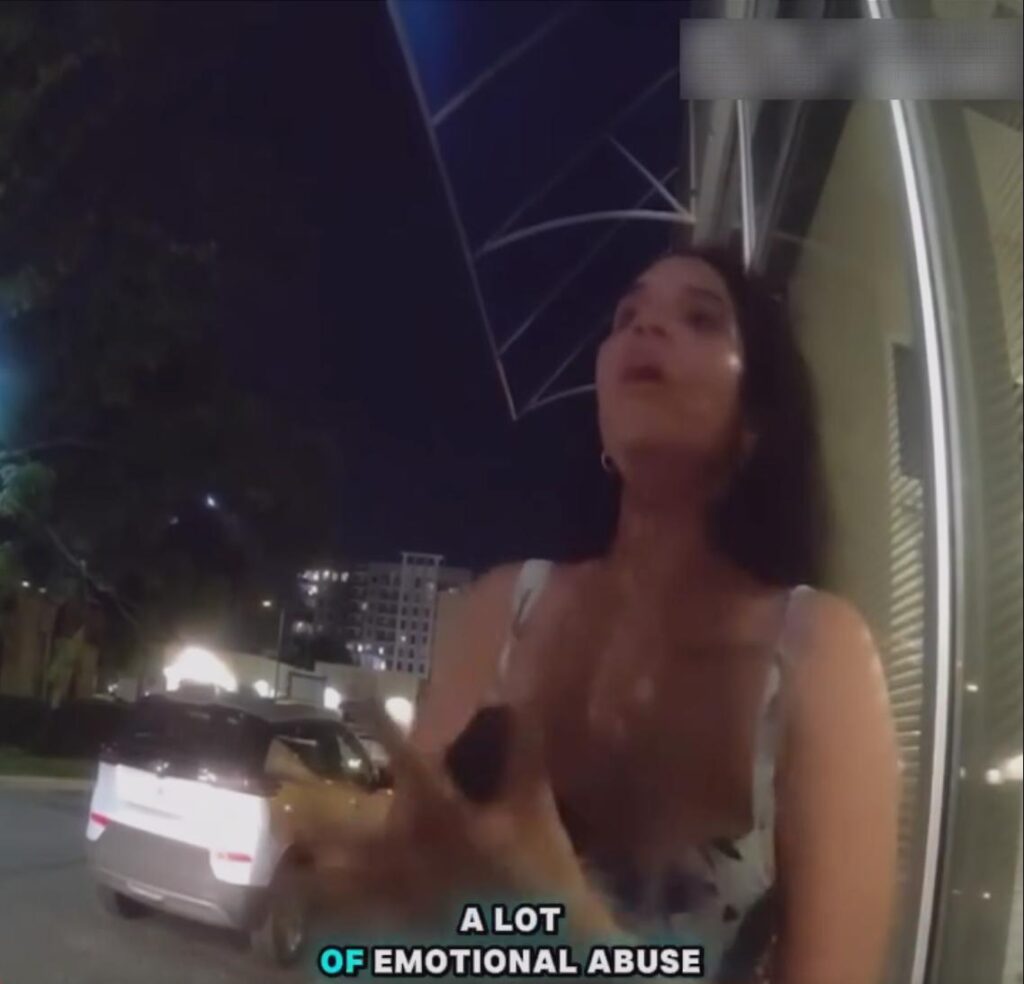
The woman frames a longer backstory: months of emotional turbulence, parents drawn into the drama, and a pattern where she’s painted as unstable. The man’s account is narrower: tonight’s problem is alcohol, and a friend who was present left because of the behavior.
The Tests: Calm Questions, Conflicting Stories
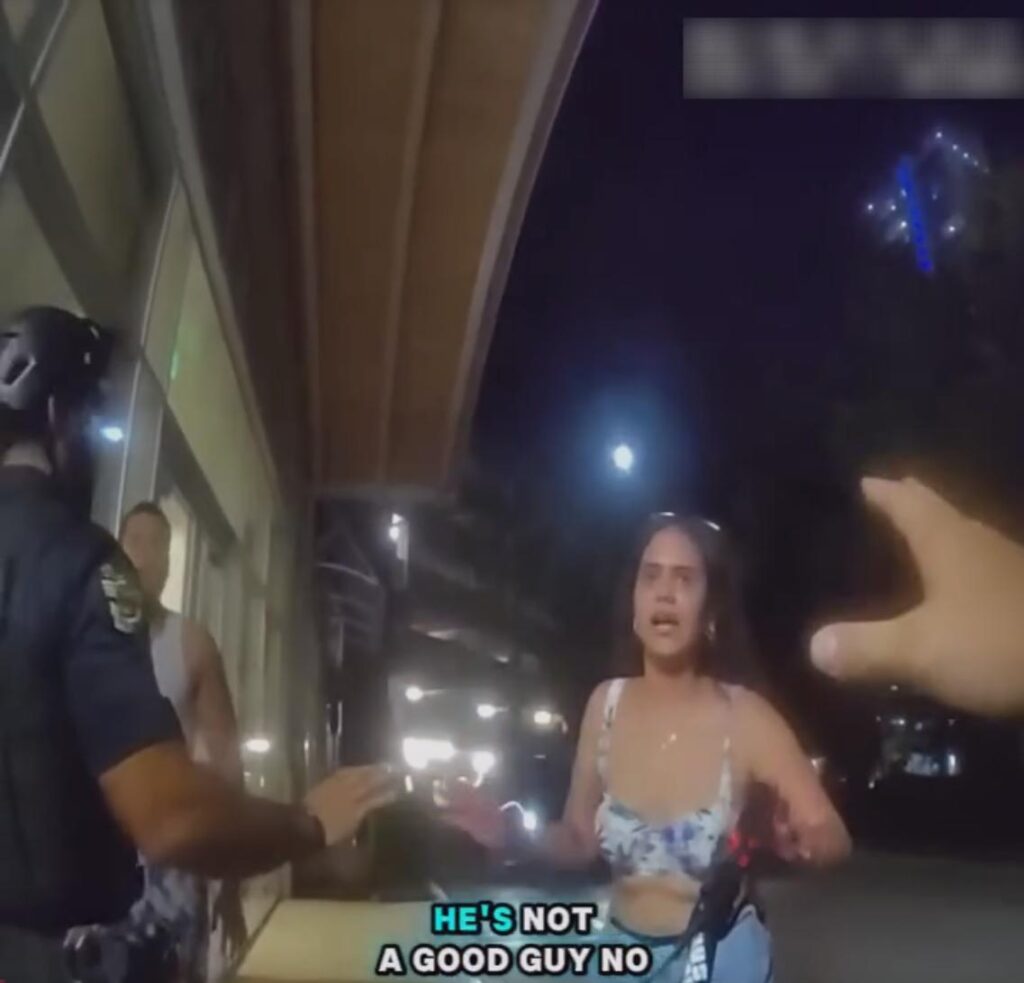
The officer tries to strip the noise to a point: What happened today? When pressed, the woman says “nothing happened,” then pivots back to grievances—parents being called, her autonomy minimized, comments about being single. The man, by contrast, repeats one through-line: drinking leads to volatility, and he notified her father.
One detail emerges that gives shape to the night: the woman planned to have a friend over for the rooftop pool; that’s when the friction escalated. It’s not a crime by itself, but it explains why there were multiple people, multiple vantage points, and frayed nerves before police arrived.
Detention & Transport: From Verbal to Physical
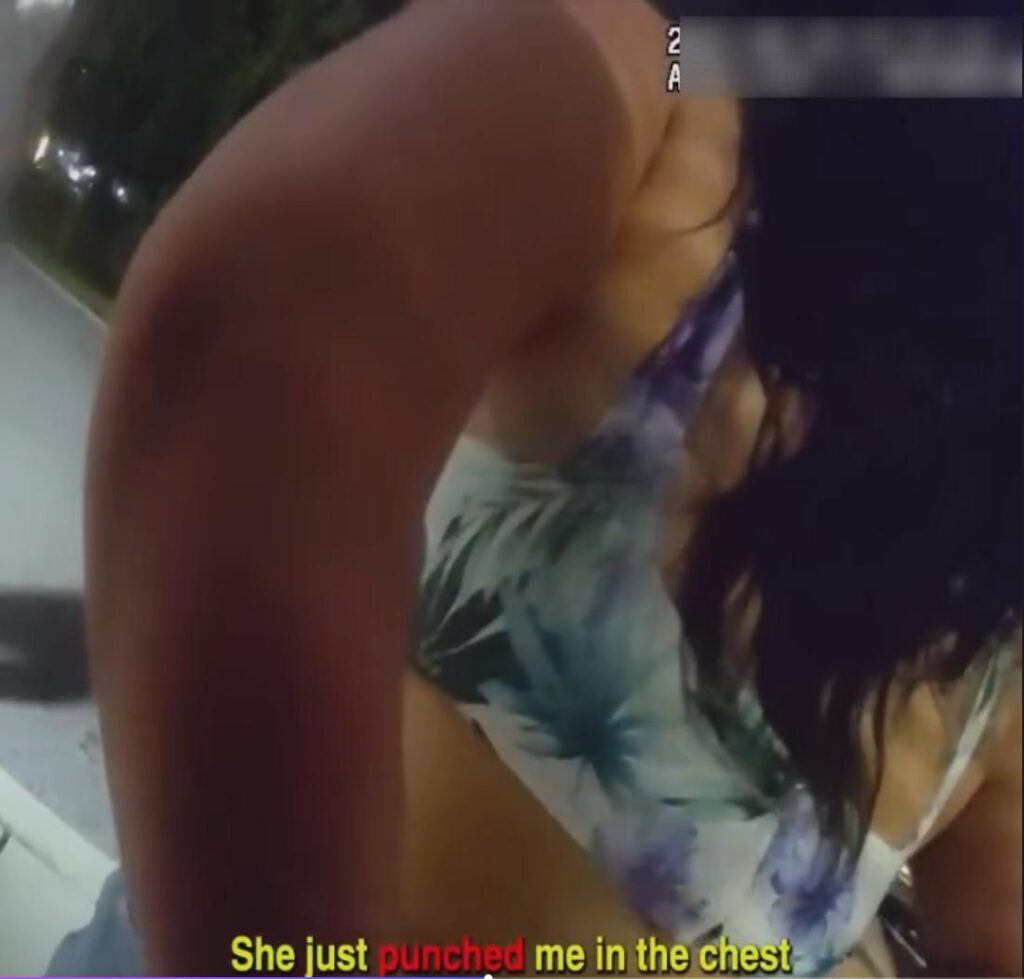
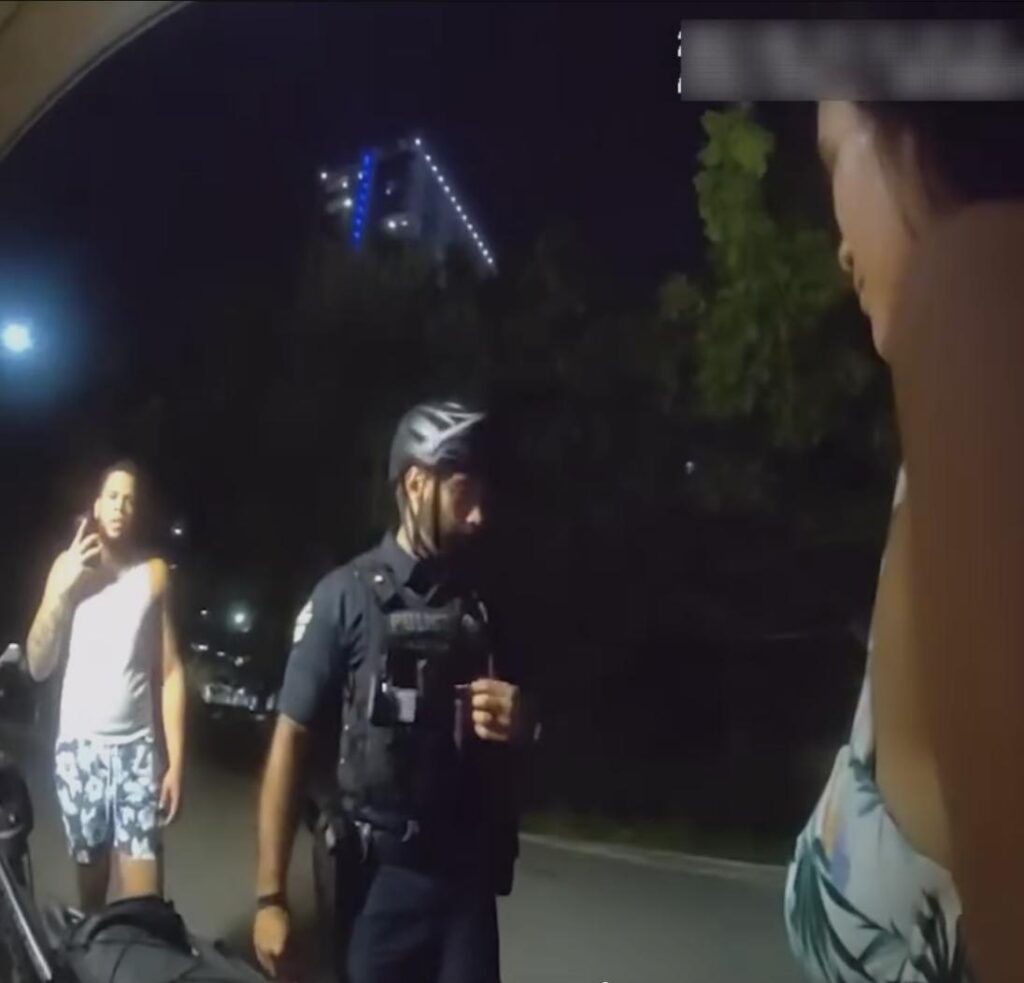
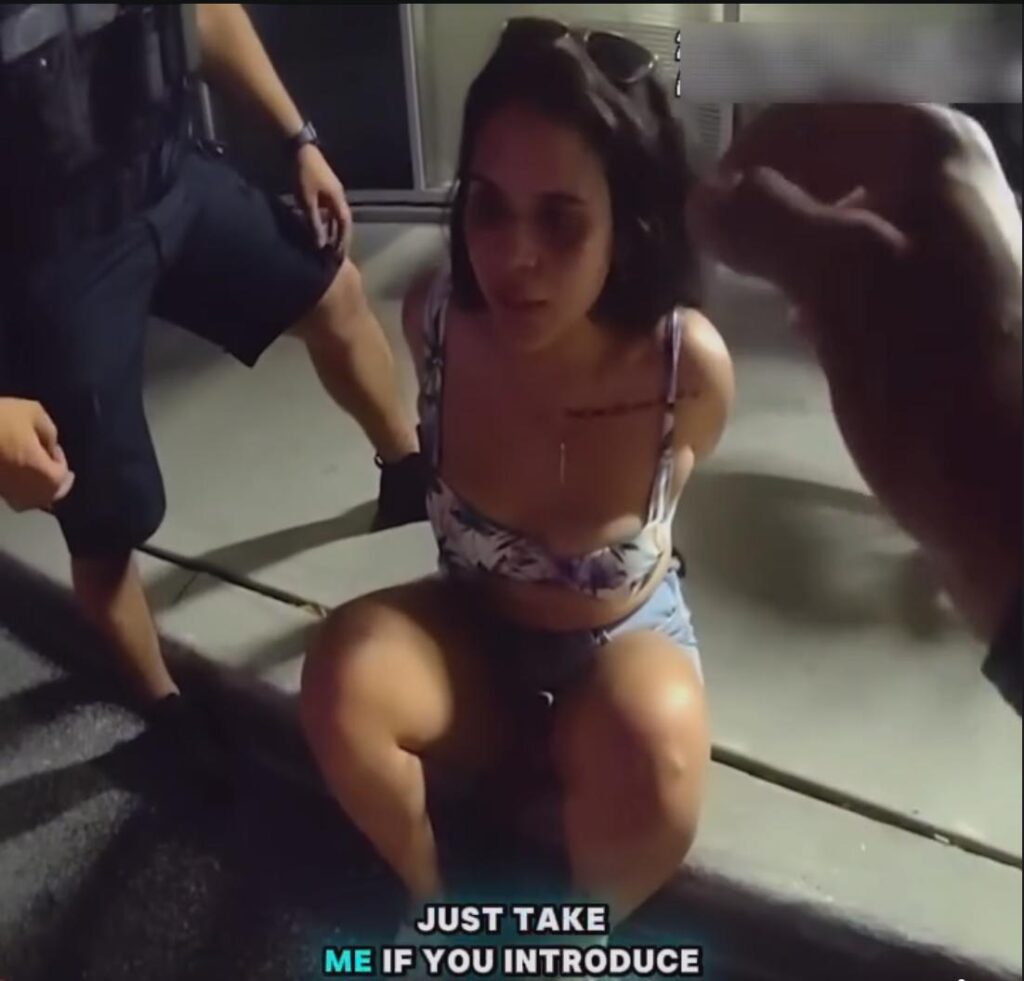
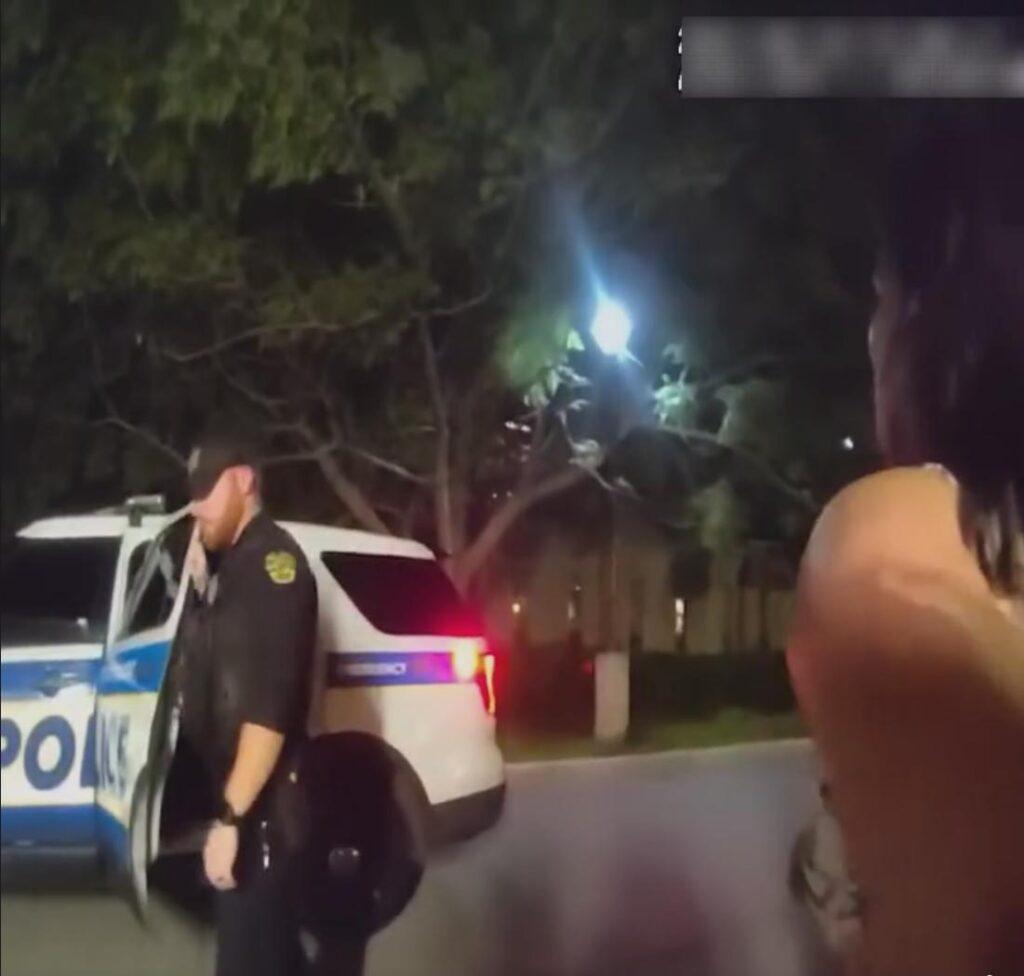
What changes the clip’s trajectory is a brief, physical moment. As officers work to bag her phone and ID and coordinate an Uber per instructions from her father, an officer states she punched him in the chest. That allegation is the pivot; the tone shifts from negotiation to custody: “You’re going to jail.” The camera doesn’t linger for drama—there’s no victory lap, just process.
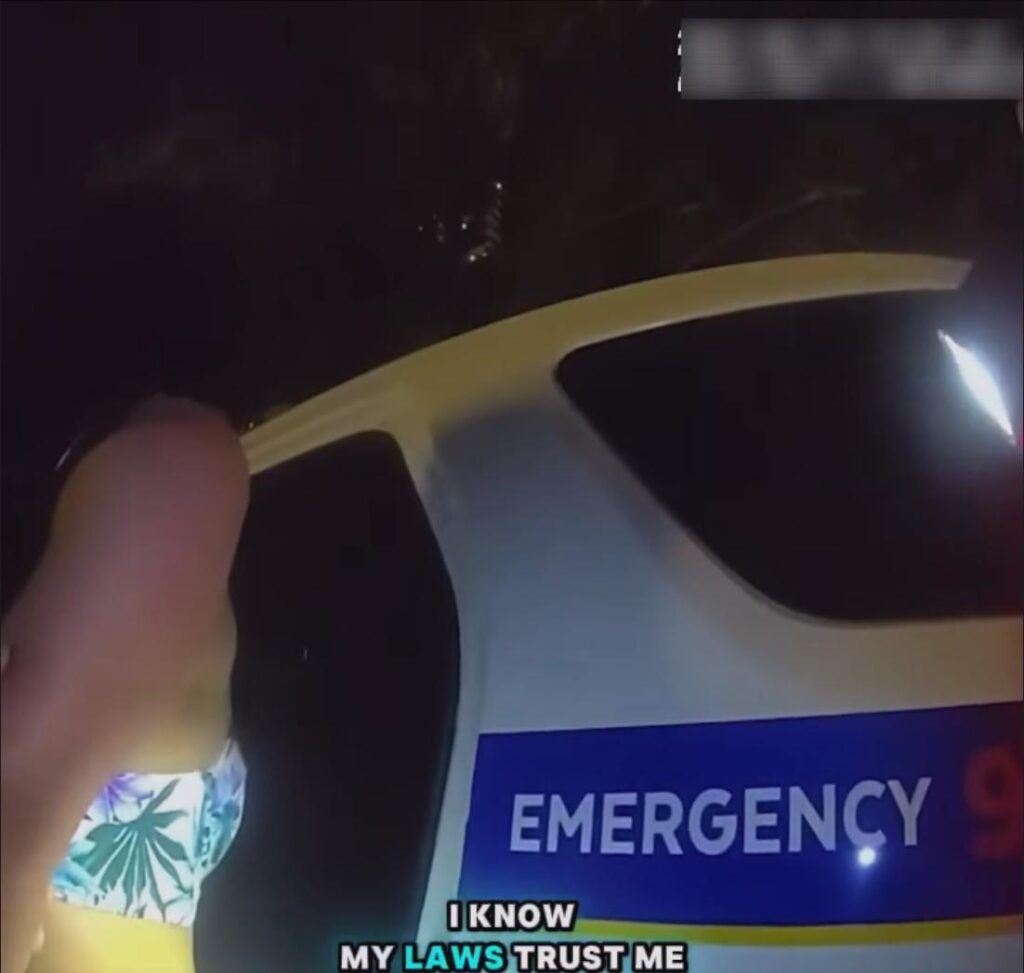
From there, you hear the familiar transport script: reminders that she’s an adult, efforts to keep her seated, and a plan to secure property and contact family. The officers also manage expectations for bond, noting weekend timing and an earliest appearance around 9 a.m. (with the caveat that weekends can delay schedules).
The Interview: Witnesses and Practicalities
A bystander provides a sparse but helpful account: a confrontation starting on a staircase, two women involved, and movement down toward the lobby. His impression—too much alcohol. He didn’t describe assaults beyond what he saw; it’s a civilian snapshot, not a sworn affidavit, but it helps triangulate the chaos the officers walked into.
Meanwhile, officers juggle logistics: who has the ID and phone, how to make sure her father can reach her at the jail, and whether the boyfriend should keep those items or hand them directly to police. It’s mundane, but it’s the connective tissue that prevents secondary disputes about lost property.
The Reveal: The Arrest Trigger Was Contact, Not Words
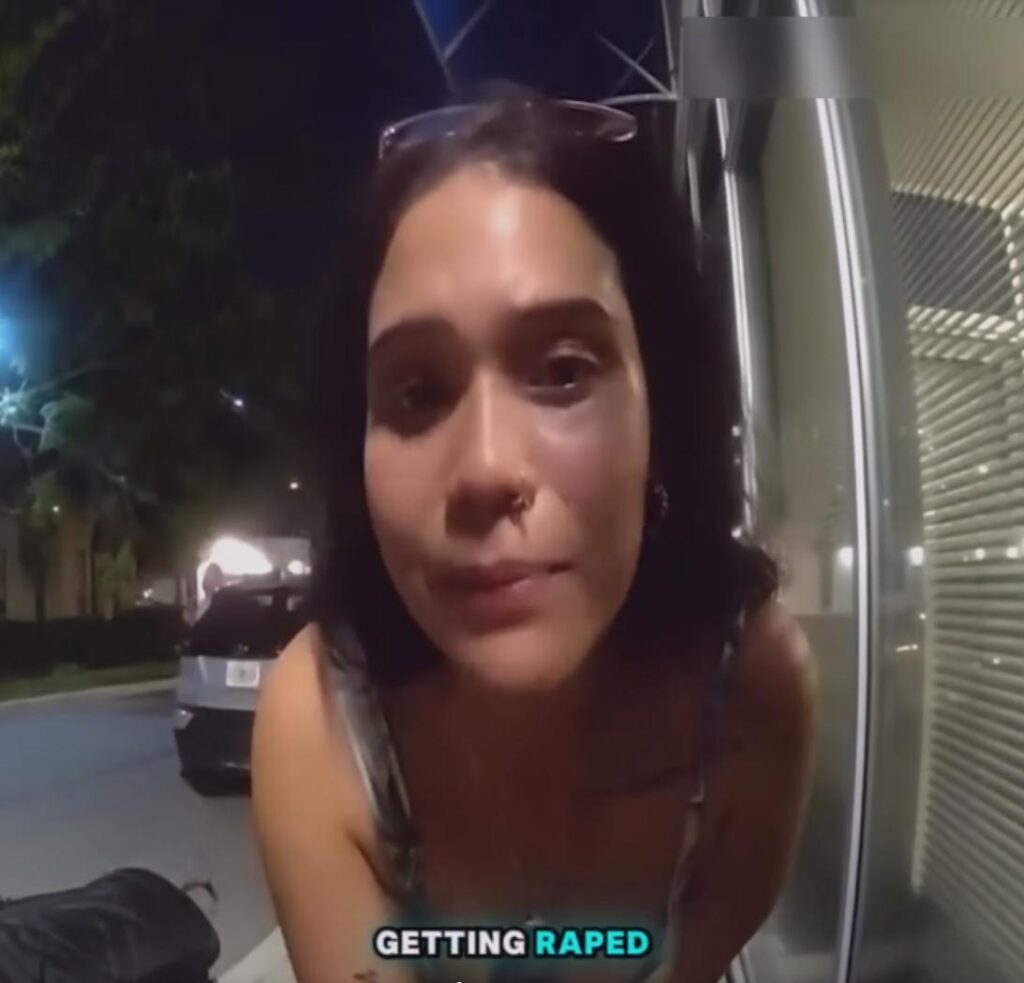
There’s a lot of harsh language in this clip—accusations, frustration, and a sweeping indictment of “the system.” But the arrest hinges on contact. The officer alleges a punch to the chest during a tense moment. That single act pushes the encounter into felony territory and sets in motion the transport, search, and booking sequence that follows.
The woman, for her part, oscillates between anger and cooperation. When it’s time for a pre-transport search, she actually requests a full check “so there’s no misunderstandings,” holding her hands out and narrating consent. It’s one of the few fully aligned minutes in the entire clip.
The Charges & Case Postscript
According to the case note appended to the footage, Maria was transported to the Orange County Jail and charged with felony battery on a law enforcement officer. In May 2025, she was accepted into a pretrial intervention (PTI) program that required:
- A 250-word apology letter to the arresting officer or victim,
- Completion of a de-escalation course and a Florida Department of Corrections “Face It” class, and
- Payment of fines and fees.
The note doesn’t list a conviction or sentence; PTI typically pauses a prosecution while a participant meets conditions set by the court and state.
Why This Clip Matters

It’s a study in precipice moments. For long stretches, this is just messy relationship conflict—loud, circular, emotional. Then one small act (the alleged chest punch) resets the entire encounter. Words are hard to prosecute; physical contact is not.
Alcohol is the accelerant, not the plot. Nearly every witness and both principals reference drinking. It doesn’t explain everything, but it explains the speed: how a pool plan, a friend’s visit, and a parental phone call turned into handcuffs.
Process is the spine. Officers keep redirecting to next steps: verify ID, secure the phone, confirm transport, explain bond. It’s not cinematic, but it keeps the scene from bleeding into a second or third incident.
Even in conflict, cooperation is possible. The search sequence shows a rare moment of alignment—“check me… so there’s no misunderstandings.” Those seconds are the blueprint for how volatile scenes end quietly.
Verdict: Watch for the Moment the Stakes Change
If you’re scanning for the “why” behind the arrest, don’t get lost in the arguments about parents, relationships, or who said what on the staircase. The hinge is the alleged battery on an officer. That’s when the camera stops recording a domestic disagreement and starts documenting a felony arrest. The rest—the property bag, the Uber talk, the jail timeline—is the machinery that follows.
This clip is a reminder that in heated, alcohol-soaked disputes, the smartest move is also the simplest: back up, breathe, and don’t put hands on anyone. One second can write the rest of your night—and your court file.