
I-74 Bodycam Review: The Night “It Wasn’t a Deer”
It starts like a hundred other bodycam clips: a confused driver, flashing lights bouncing off broken glass, officers speaking in calm, even tones to keep a chaotic scene from boiling over. But this one—shot around the new I-74 Bridge in the Quad Cities—drifts from routine to devastating in slow, unmistakable steps. It isn’t just a DUI stop. It’s a real-time unraveling, where a woman’s certainty (“I hit an animal”) collides with a much darker truth.
The Setup: A Busy Night on a New Bridge
From the first minute, you can feel the tempo. The officers mention they’re “crazy busy.” If you’ve ever driven around Davenport, Bettendorf, and Moline, you’ll recognize the geography: River Drive, the new bridge spans, all the concrete seams that make the area feel like a maze—especially at night. That context matters; it sets up the driver’s confusion about lanes, lighting, and where she actually was.
She says she came “off that bridge,” thought she struck a deer or maybe a raccoon, and pulled over. It’s a familiar story—one we’ve heard from drivers after high-impact thuds at highway speeds. The difference here is how the story changes as the officers ask questions, run tests, and connect dots you don’t want them to connect.
The Tests: Calm Instructions, Shaky Steps
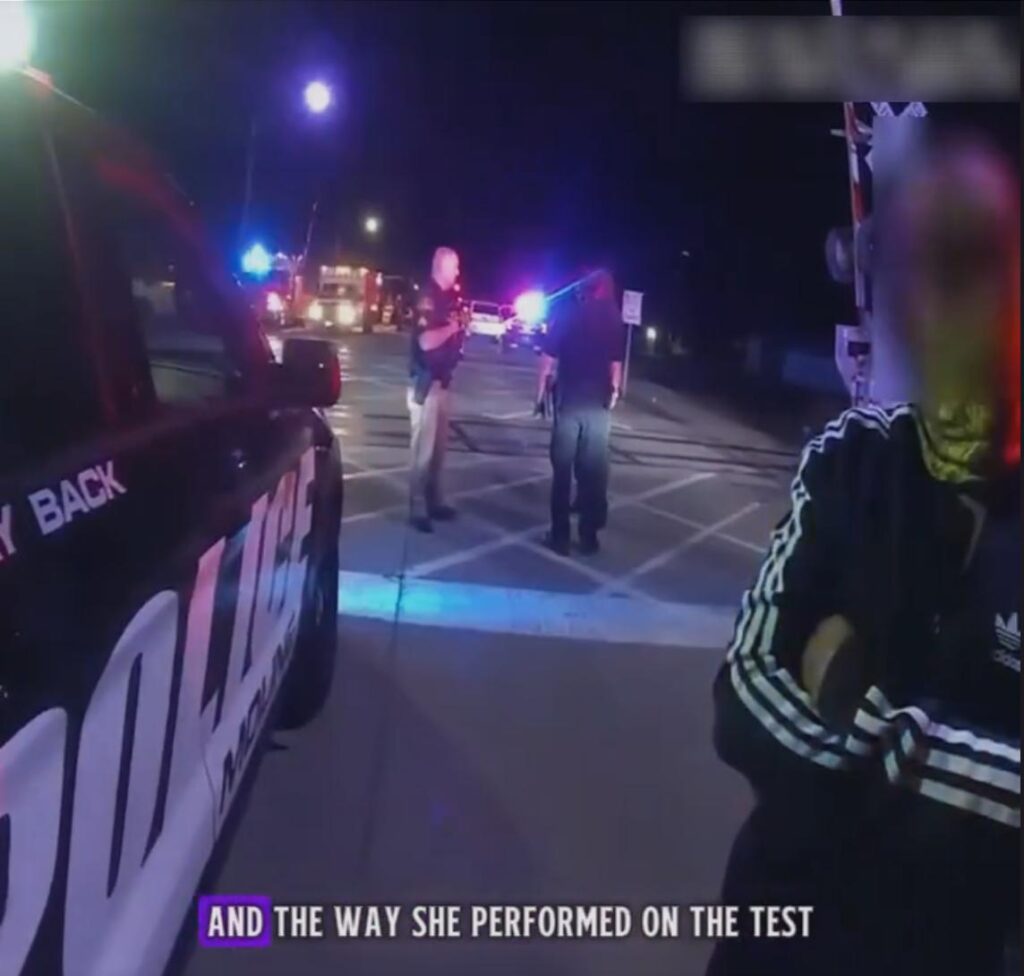
The field sobriety sequence is as procedural as it gets. Heel-to-toe, nine steps, turn, nine back. Count out loud. Keep your hands at your sides. When you’ve watched a lot of these, you know the micro-tells: missed counts, restarts, drifting off the line, repeated “I’m sorry”s. The clip is thick with those moments. She’s nervous, apologetic, openly embarrassed—at one point blurting out that she’s peed herself. The officers don’t flinch. They don’t argue or raise their voices. They reset, re-explain, and try again.
Then comes the one-leg stand: lift a foot six inches, stare at it, count “1001, 1002, 1003…” She can’t hold it. “I can’t,” she says. The officer acknowledges it, moves forward, and lets procedure take the wheel: “You’re placed under arrest for DUI.”
The Transport: Hospital First, Then Paperwork
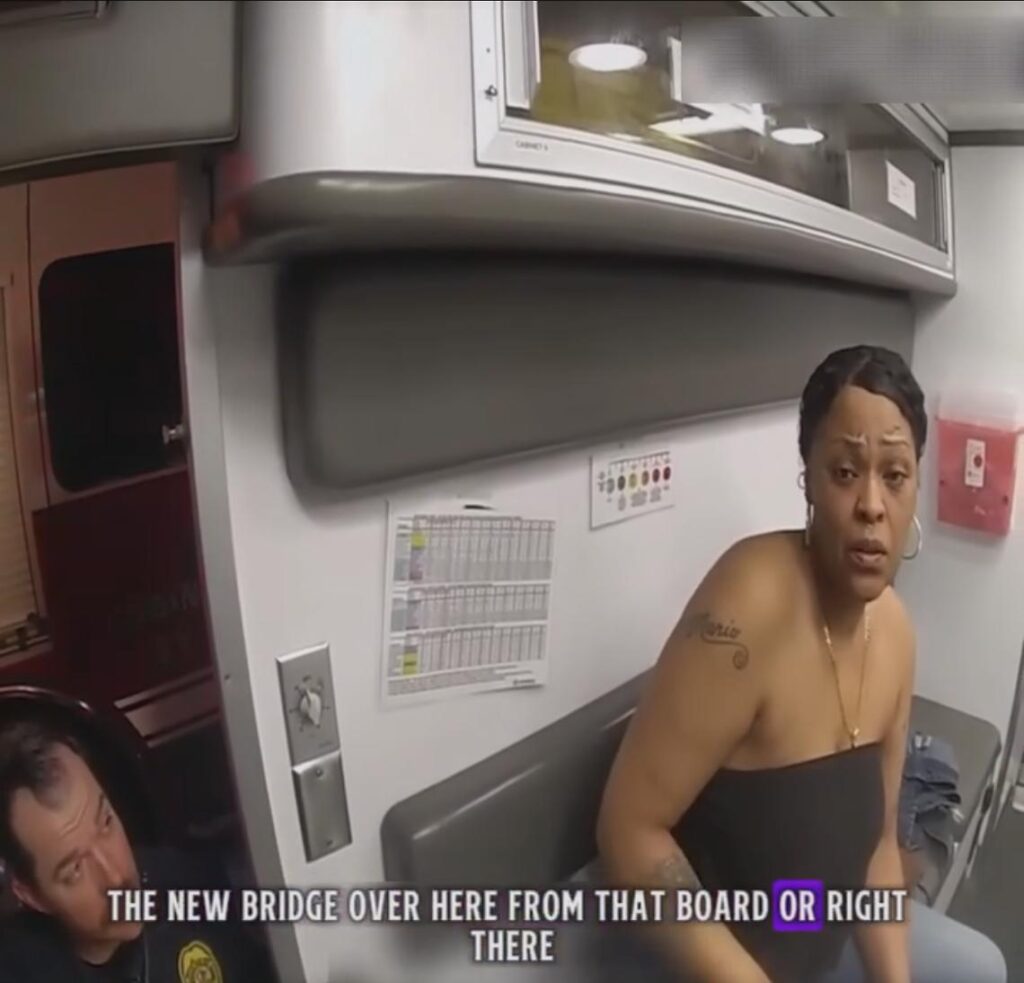
Another hallmark of this department: clarity about what’s next. They tell her it’s not jail yet—first the hospital, then more testing, then the PD. The camera stays eye-level and steady, letting the dialogue carry the scene. The panic ratchets: she wants her mom; she wants to know what she hit; she wants someone—anyone—to confirm it was just an animal.
If you’re watching for tone, this section is one of the most instructive. The officers are patient to a fault. They guide her through broken glass. They literally say, “I won’t let you fall.” They keep repeating the plan. It’s the kind of de-escalation that rarely gets clicks but quietly saves lives.
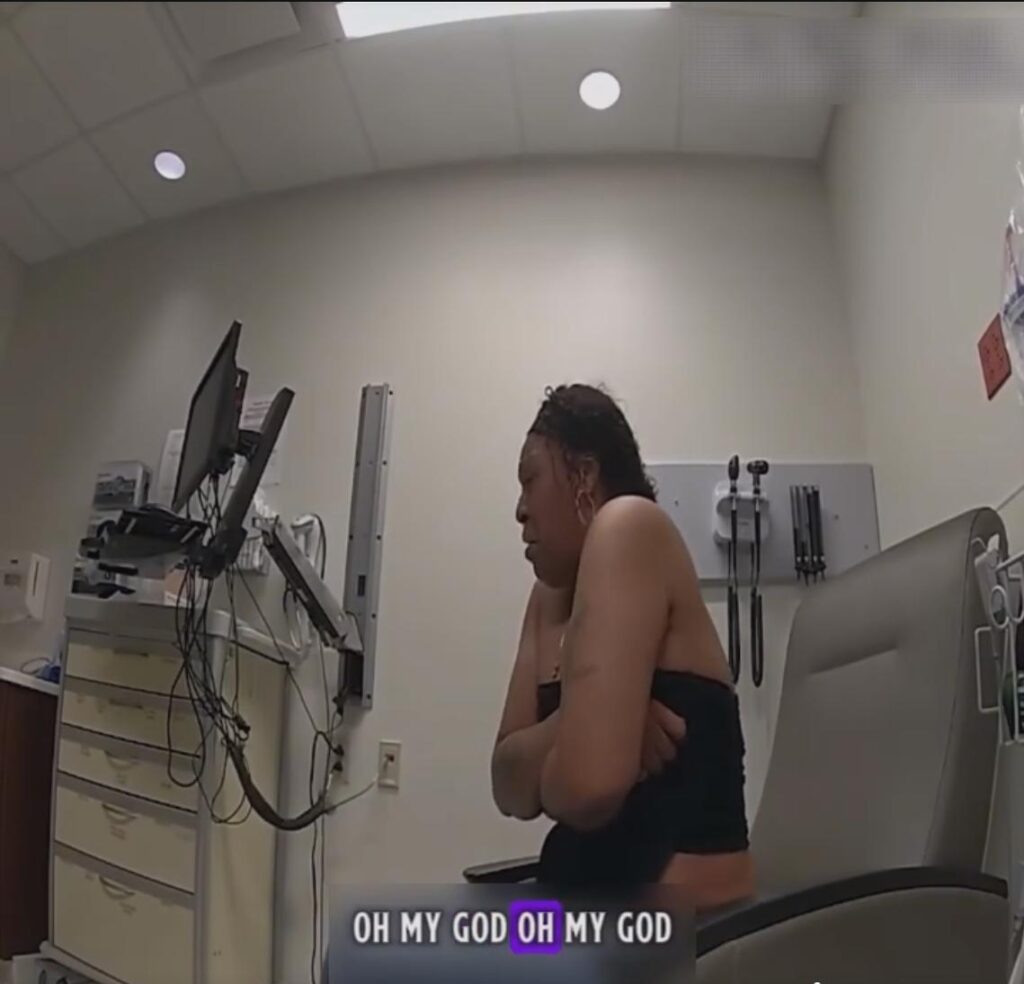
The Interview: “I Thought It Was an Animal”
Inside, the story expands. She recounts a rare night out, crossing the bridge, feeling a hard jolt. She talks about loving animals, about how her seat belt “held” her, about seeing the hood lifted and thinking “deer.” She also brings up a detail that becomes crucial: the parts of the bridge that weren’t “lit up,” the narrowness, the concrete on both sides. If you’ve driven through new construction zones, you know how fast your sense of position can blur—high beams, barriers, temporary lanes, unexpected merges.
The officers let her talk. They don’t push. They listen for anchors: time, direction, landmarks. Slowly, they narrow her path.
The Reveal: “Somebody Died?”
Then the pivot—the moment that turns this from a crash report into a tragedy. Investigators explain she wasn’t on the driving lanes at all. They believe she was on the pedestrian walkway—the separated path meant for people on foot. The words land like a blunt instrument. She doesn’t get combative; she collapses inward. “Somebody died?” she asks, more statement than question.
Watching it, you feel the floor drop out. She begs for her mom. She’s shaking. The phrase that will haunt the final act starts looping: “I killed somebody’s baby.” There’s no swagger here, no viral-clip villainy. It’s just a person realizing, minute by minute, what happened.
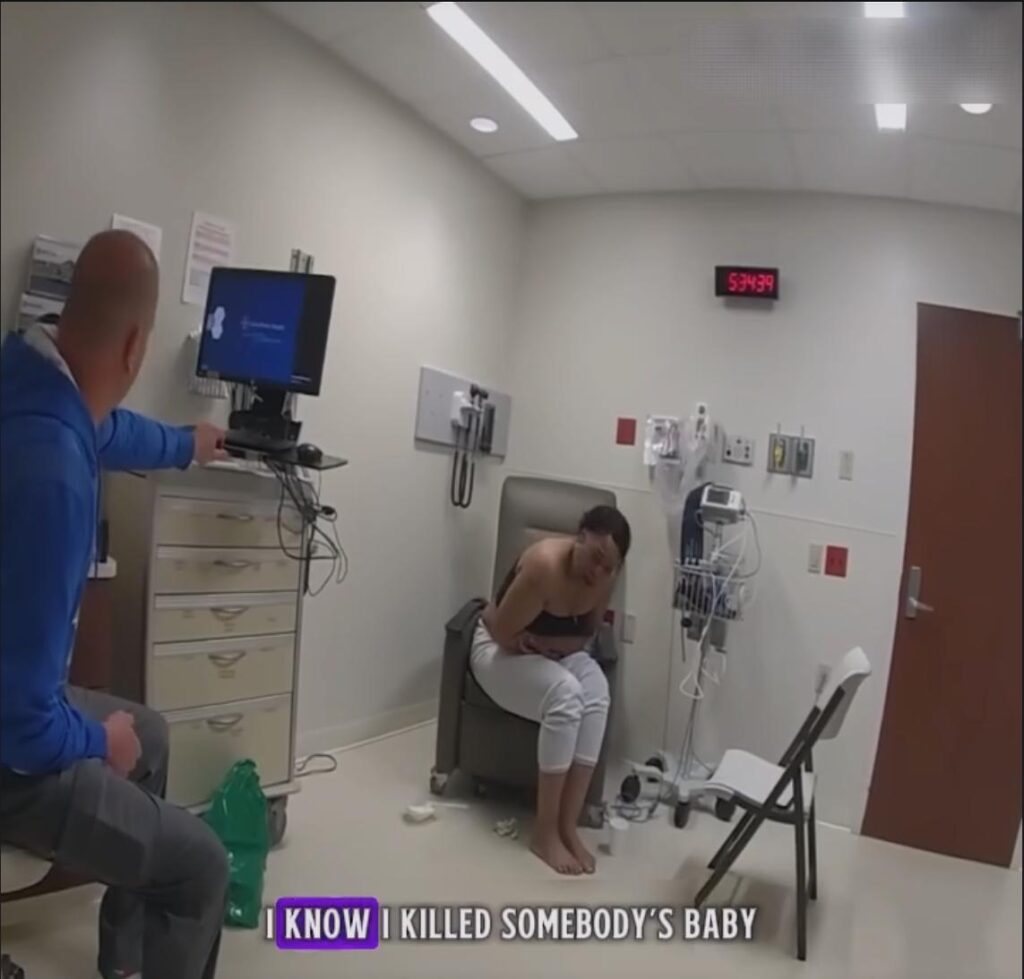
The Charges: From Accident to Felony
From there, the legal picture snaps into focus. The officers outline the counts: aggravated DUI, failure to stop after an injury crash, aggravated reckless driving, reckless homicide. You can argue law on the internet all day, but the video does something the comments never can: it shows how calmly, methodically, and transparently those charges arrive. It’s not vindictive. It’s just the machinery engaging after a catastrophic outcome.
The postscript (shared in the video’s case recap) is stark: in November 2023, she accepted a plea deal—twenty years in prison, followed by two years of supervision. Numbers that don’t fix anything, but frame the scale of loss.
Why This Video Hits Hard
The pacing. There’s no instant twist. The reveal creeps toward you as the officers narrow possibilities and the driver’s certainty erodes. That delay makes the realization feel earned—not produced.
The officers’ tone. If you study policing, this is a live training reel on keeping voices low, instructions clear, and body language open. Even the small lines—“I got you. Don’t fall.”—matter.
The driver’s humanity. She’s not a cardboard cutout of a “bad driver.” She’s a person who loves animals, calls her mom, gets confused about concrete barriers, and then gets crushed under the weight of the truth. You can detest the conduct and still recognize the human reaction to irreversible harm.
The setting. New bridge. Novel layout. Mixed lighting. Tight concrete corridors. For anyone who’s taken a wrong ramp or drifted near a construction barrier, this is the nightmare scenario—except with real pedestrians on the other side.
What the Clip Teaches—If You Let It
- Impairment multiplies confusion. What looks like a design problem becomes lethal when judgment and attention are compromised.
- Procedure protects everyone. The step-by-step testing, medical clearance, and careful explanations aren’t bureaucracy; they’re seat belts for due process.
- Infrastructure needs clarity. Separate paths and changing lighting are accidents waiting to happen—especially late at night. Clear markings and barriers aren’t “nice to have.”
- One decision can be forever. There’s nothing cinematic about the aftermath—only court calendars, family notifications, and the long shadow of an empty chair at dinner.
Verdict: Watch It—Then Remember It
As a piece of bodycam storytelling, this video is exceptional because it refuses to rush. It lets you live inside the uncertainty until certainty arrives—and when it does, it doesn’t gloat. It simply lands. If you came for “gotcha” moments, you won’t find them. What you’ll get instead is something more valuable: a documentary-level record of how a single night, a single “it was just an animal” assumption, and a single wrong lane can end multiple lives and fracture many more.
If one person who watches this decides to hand over the keys, call a ride, or pull off and re-check directions in a construction zone, the clip will have done more than entertain. It will have paid back a little of the debt this tragedy left behind.
Scroll for the embedded video and full timeline, then tell me: at what moment did the truth click for you?